
Tides of Conquest
PuzalaStrategy
4.090.00 Reviews
- Version
- 1.1.780
- Installs
- 500.00K
- Age Rating
- Teen
Screenshots
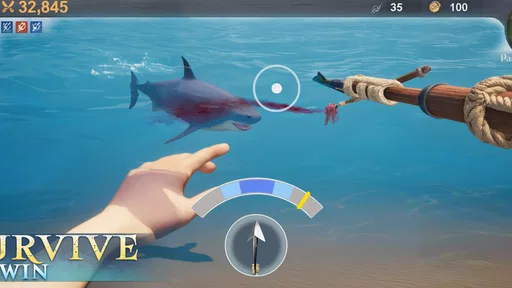
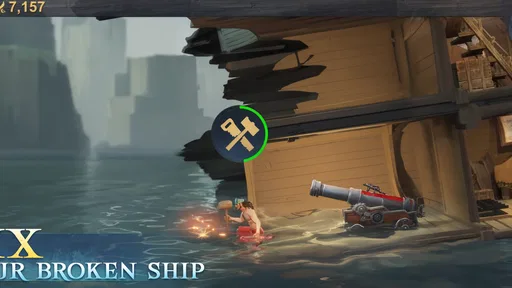
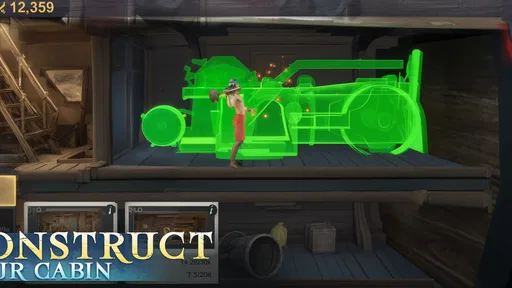
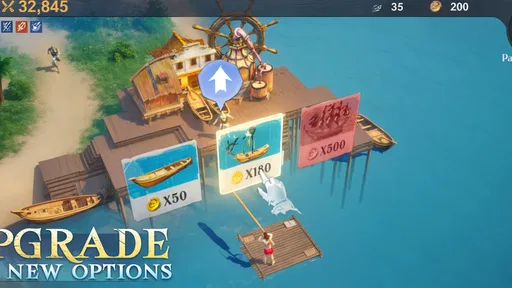
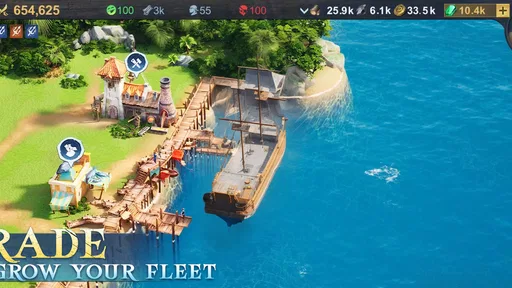
Our Review of Tides of Conquest
 Analysis by Appyee
I approached Tides of Conquest as a first-time player looking for a strategy game with a clear sense of progression rather than a quick puzzle session. It presents itself as a pirate-themed RPG built around fleets, conflict, and long-term decisions. That combination gives it a more involved feel than a simple tap-to-win mobile game, but it also means the opening hours reward patience. You are not just choosing an attack and watching a result; you are learning how to make a growing force useful.
Developed by Puzala, this free strategy game is aimed at players who enjoy planning around limited options. Its Teen content rating is worth keeping in mind, especially for younger players and families deciding what belongs on a shared device. The game has reached over 500 thousand installs and holds a 4.0 average from around 3.6 thousand ratings, which suggests a reasonably positive reception without making it look universally loved. That feels fair to me: the nautical setting and gradual command structure are appealing, while the amount of attention required will not suit everyone.
What to expect before you set sail
The most useful way to understand Tides of Conquest is to treat it as a command game with RPG flavor, not as a purely casual pirate adventure. The store summary focuses on commanding pirates and fleets in an epic war strategy experience, but the practical appeal is in deciding how to use what you have before chasing bigger victories. The game asks you to think in terms of preparation, timing, and improvement rather than relying on one powerful move.
That distinction matters on a phone. If you want a game that can be opened for a few seconds, completed instantly, and forgotten, this may feel too deliberate. If you like checking your position, making a small adjustment, and returning later with a better plan, it has a stronger chance of holding your attention. I found the pirate theme helpful because it gives the strategic decisions a recognizable identity; you are not simply moving abstract pieces through menus.
The role-playing layer also changes how I judge a setback. Losing a confrontation is not automatically a sign that the game is unfair or that the whole attempt was wasted. It is usually a prompt to reconsider the way I prepared, the order in which I committed resources, or whether I pushed forward before my fleet was ready. That mindset makes the game more enjoyable, although players who dislike repeating a stage or rebuilding after a weak decision may become frustrated.
There is a free entry point, but optional purchases range from $0.99 to $199.99 per item. That is an important part of the decision to install it. You can begin without paying, yet the presence of high-priced purchase options means I would approach the game with a spending limit already decided. For me, the safest routine is to judge the game by its free opening first and avoid treating every obstacle as a reason to buy something.
The current version is 1.1.780, and the minimum operating system requirement is Android 7.0. That makes the game accessible to many older Android devices, though compatibility on paper does not guarantee the same comfort on every phone. A smaller screen can make management feel busier, and an older device may make longer sessions less pleasant. I would start with short play periods and see whether the interface remains comfortable before committing to it as a daily game.
The first setup should be treated as a learning session
When I start a strategy game like this, I resist the temptation to tap through every instruction as quickly as possible. The opening is where I learn what the game considers important. In Tides of Conquest, the pirate-and-fleet framing encourages me to watch for the relationship between command choices and later results. Even when an early action looks obvious, I pay attention to what changes afterward instead of focusing only on whether I won.
My practical advice is to keep the first session simple. Follow the early direction, use the initial opportunities to understand the rhythm, and avoid spending anything until you know what kind of problem a purchase would solve. A new player often sees a locked improvement or a stronger-looking option and assumes it is essential. It is usually better to learn the basic loop first: prepare, commit, inspect the outcome, and adjust.
I also recommend pausing after each meaningful result. Ask yourself what actually caused the success. Was it a stronger force, a better sequence, or simply an encounter designed to introduce the system? This small habit prevents a common mistake in strategy games: confusing an easy opening win with a reliable long-term plan. The first victories should teach you how to read the game, not encourage blind repetition.
Another useful early rule is to make one major change at a time. If you alter several parts of your approach before the next encounter, you will not know which decision helped. Changing one choice, then comparing the result, turns the first hours into a practical tutorial. This is especially valuable for players who normally rely on trial and error, because the pirate setting can make every new option look equally important.
I would also keep expectations realistic about the word “RPG.” The game’s role-playing identity does not mean it will behave like a story-heavy console adventure. Its appeal is more likely to come from developing command decisions and improving your position over time. If your priority is dialogue, exploration, or a large narrative campaign, a dedicated role-playing game may be a better match. Here, the strategy layer is the reason to stay.
Your first meaningful success comes from restraint
The first satisfying success is not necessarily the biggest battle. For me, it is the moment when a result follows from a decision I understand. That might mean choosing not to rush, preparing more carefully, or recognizing that a tempting action would leave the fleet in a weaker position afterward. The game becomes more rewarding once I stop measuring progress only by immediate victories.
A new player can make that moment arrive sooner by setting a small goal for the first session. Instead of trying to unlock everything or push as far as possible, focus on learning one complete cycle of command and consequence. Finish an encounter, inspect what changed, and decide what you would repeat next time. This gives the game a manageable shape and reduces the feeling that you are simply reacting to prompts.
One non-obvious strength is that the pirate theme makes conservative play feel purposeful. In a less distinctive strategy game, waiting or holding back can feel like doing nothing. Here, it is easier to think of restraint as protecting a fleet and choosing the right moment to commit. That mental framing helped me make better decisions, because I was less interested in winning one exchange at any cost.
There is also a trade-off in that approach. Conservative play can slow the visible pace of progress. Players who want constant action may interpret careful preparation as unnecessary delay. I think the game works best for someone who enjoys turning a modest advantage into a dependable one. If you prefer aggressive experimentation and do not mind frequent setbacks, you can play that way, but the experience may feel more uneven.
For an everyday scenario, imagine having a short break between tasks. I would use that time to review the current situation and make one deliberate decision rather than beginning a long, uncertain push. On a quieter evening, I would then return for a longer session and see whether the earlier choice paid off. This two-step routine suits the game better than hurriedly tapping through it while distracted, because strategic mistakes are easier to make when attention is divided.
Where first-time players may get confused
The biggest source of confusion is the difference between what looks powerful and what is actually useful at the moment. Pirate and fleet games naturally encourage players to chase the most impressive option, but a stronger-looking choice is not automatically the right answer. I learned to judge an option by how it fits the current situation, not by appearance alone. That is a transferable habit, but Tides of Conquest gives it a clear setting.
Another point of friction is progression pressure. Once the game introduces more possibilities, it is tempting to treat every available improvement as urgent. I would separate “available” from “needed.” If the next challenge can be handled with the tools already understood, I would keep playing and save my attention for the point where a new decision genuinely matters. This approach also makes optional purchases easier to evaluate, because I am not buying simply to remove uncertainty.
The in-app purchase range deserves careful attention here. A free game with optional items can be perfectly enjoyable, but expensive purchase choices can change how a player experiences difficulty. My recommendation is to decide in advance whether you are playing strictly for free, allowing only small occasional spending, or comfortable with a larger budget. Making that decision outside the pressure of a difficult moment is much easier than making it after a frustrating loss.
I would also avoid comparing your progress with players who may have chosen a different spending approach. That comparison can make normal strategic setbacks feel like a personal failure. The healthier measure is whether your decisions are becoming clearer and whether your fleet is improving through your own play. If the game stops feeling like a strategy challenge and starts feeling like a payment prompt, that is a good reason to step away rather than spend automatically.
The Teen rating is another practical consideration. I would not hand the game to a child without checking whether the themes, competitive pressure, and purchase settings fit the household. The rating does not tell me how every family will react, but it is enough to justify a quick review of device controls before installation. For adults, it is simply a reminder that this is not presented as a game for very young children.
How it compares with familiar strategy choices
Compared with a traditional turn-based strategy game, Tides of Conquest feels more immediate and more focused on the fantasy of commanding pirates and fleets. You get a stronger theme than you would from a bare tactical board, but probably less room for the kind of detailed map analysis that attracts dedicated strategy enthusiasts. I would choose it when atmosphere and progression matter as much as pure tactical depth.
Compared with a casual time-filler, it asks for more memory and follow-through. A casual game can be satisfying even when played without a plan; this one benefits from remembering what happened in the previous attempt. That makes it a better choice for someone who wants a mobile game with a developing routine, but a worse choice for someone who wants instant, consequence-free entertainment.
It also occupies a middle ground between a pirate adventure and a management game. The theme may attract players who expect exploration and swashbuckling action, while the actual appeal is closer to making command decisions and improving a force. I would recommend reading the experience that way before installing. If you want the fantasy of being a pirate captain but dislike menus, planning, or repeated optimization, the theme alone may not be enough.
The strongest alternative is therefore not one particular competing title; it is a different style of strategy game. Choose a more traditional tactical game if you want maximum control over every move. Choose a lighter casual game if you want short sessions with little commitment. Choose Tides of Conquest if you like the idea of building confidence through repeated fleet decisions and want the pirate setting to give those decisions character.
Who will enjoy the longer journey
I think the game is best for players who like gradual improvement and can accept that a good decision may not produce an immediate dramatic reward. It suits someone who enjoys looking back at a failed attempt and identifying one thing to change. The RPG framing adds a sense of personal investment, while the strategy category keeps the focus on choices rather than simply watching a story unfold.
It is less suitable for players who need a fully transparent system from the opening minute. Any strategy game with layered progression can feel opaque while you are still learning its priorities, and this one is not something I would recommend to someone who becomes annoyed when the best move is not obvious. It is also not my first choice for a player who wants a completely purchase-free environment, given the broad range of optional items.
Parents and guardians should consider both the Teen rating and the purchase structure before allowing unsupervised play. Adults who share a device with family members should protect their payment method rather than relying on self-control during a difficult session. These are simple precautions, but they make the free starting experience easier to judge on its own merits.
My next-step routine after the opening
After the first successful session, I would not immediately chase the largest available challenge. I would replay the basic decision pattern mentally and identify the point where the result could have gone wrong. Then I would choose the next action that tests that understanding. This creates a cleaner learning curve than changing everything at once, and it helps reveal whether progress comes from genuine strategy or from temporary luck.
A useful routine is to keep a tiny mental checklist: what was my goal, what did I commit, what changed afterward, and what will I alter next time? It takes only a moment, yet it prevents the game from becoming a blur of taps. This is one of the more valuable ways to play on a phone, where interruptions are common and it is easy to forget why a previous decision worked.
I would also treat purchases as optional tools, not as part of the basic command loop. First learn what the free game expects from you. If an item later seems attractive, ask whether it adds enjoyment or merely removes a temporary obstacle. That distinction is especially important with a purchase range extending up to $199.99 per item. A personal spending boundary keeps the strategy in your hands.
Puzala’s game is worth trying if you want a free pirate-themed strategy experience with RPG elements and you are willing to learn through measured decisions. Its 4.0 average and broad install base make it look approachable, but they should not be mistaken for a promise that every player will enjoy the same pace. I found the strongest appeal in the gradual shift from following instructions to making choices with a reason behind them.
My final recommendation is straightforward: install it if you enjoy fleet command, steady progression, and the satisfaction of improving after a setback. Start slowly, avoid impulsive purchases, and give the opening enough attention to understand its rhythm. Skip it if you want instant action, a purely narrative pirate adventure, or a strategy game with no spending pressure at all. For the right player, Tides of Conquest is a thoughtful mobile command game whose best moments arrive when a small, careful decision finally produces the result you intended.
Verdict
Strengths of Tides of Conquest
- Strategic naval battles make each encounter feel different.
- The conquest system gives long-term goals beyond individual matches.
- A wide range of units encourages experimentation with team setups.
- Progression rewards regular play without requiring constant sessions.
- The ocean-themed presentation gives the game a distinctive atmosphere.
Limitations of Tides of Conquest
- Some upgrades may take considerable time without premium resources.
- Matchmaking can feel uneven when facing more experienced commanders.
- The interface may seem crowded until you learn where each feature is.
- Limited energy or attempts can interrupt longer play sessions.
- Repetitive objectives may reduce variety during extended gameplay.
Similar Picks in This Category
View All
Clash of Clans
Supercell4.5

Plants vs. Zombies™
ELECTRONIC ARTS3.7

Lords Mobile: Kingdom Wars
IGG.COM4.5

Clash Royale
Supercell4.4

State.io — Conquer the World
CASUAL AZUR GAMES4.1

Car Driving School : Car Games
Spark Game Studios3.9
Frequently Asked Questions
What is Tides of Conquest about?
Tides of Conquest is a strategy-focused game built around exploration, territory management, resource gathering, and tactical decision-making. Players develop their settlement, expand across the map, strengthen their forces, and compete with or against other players depending on the available game modes. Progress generally comes from balancing construction, upgrades, research, and military planning rather than relying on a single action or unit type.
Is Tides of Conquest free to download and play?
Tides of Conquest can generally be downloaded without an upfront purchase, but players should expect optional in-app purchases. These may include premium currency, resource bundles, cosmetic items, progression boosts, or other conveniences. The game can usually be started without spending money, although advancement may take more time for free players, particularly when competing against users who invest in upgrades or limited-time offers.
Does Tides of Conquest require an internet connection?
An internet connection is normally required for the main experience because the game relies on online accounts, cloud-based progress, events, leaderboards, and interactions with other players. You should be connected to Wi-Fi or mobile data when launching the game and synchronizing progress. Offline access, if available at all, is likely to be limited and should not be treated as a complete way to play.
Is Tides of Conquest suitable for beginners?
Tides of Conquest is reasonably approachable for new players because early objectives and guided tasks introduce the basic systems step by step. However, the number of menus, upgrade paths, resources, timers, and strategic choices can feel overwhelming at first. Beginners should focus on completing tutorials, improving essential buildings, maintaining a steady resource supply, and avoiding unnecessary spending until they understand the game’s progression system.
Does Tides of Conquest contain ads or in-app purchases?
The game may include advertising, promotional offers, and in-app purchases, depending on the platform, region, and current version. Purchases can make upgrades or resource collection more convenient, while advertisements may provide optional rewards or appear during certain parts of the experience. Before downloading, parents and players should review the store listing and enable purchase restrictions if the device is shared.
Play our best games!


